
How many bottles of alcohol can you bring to the United States?
Want to bring wine, champagne, or other alcohol to the United States as a gift or for your own use? Here's what you need to know.
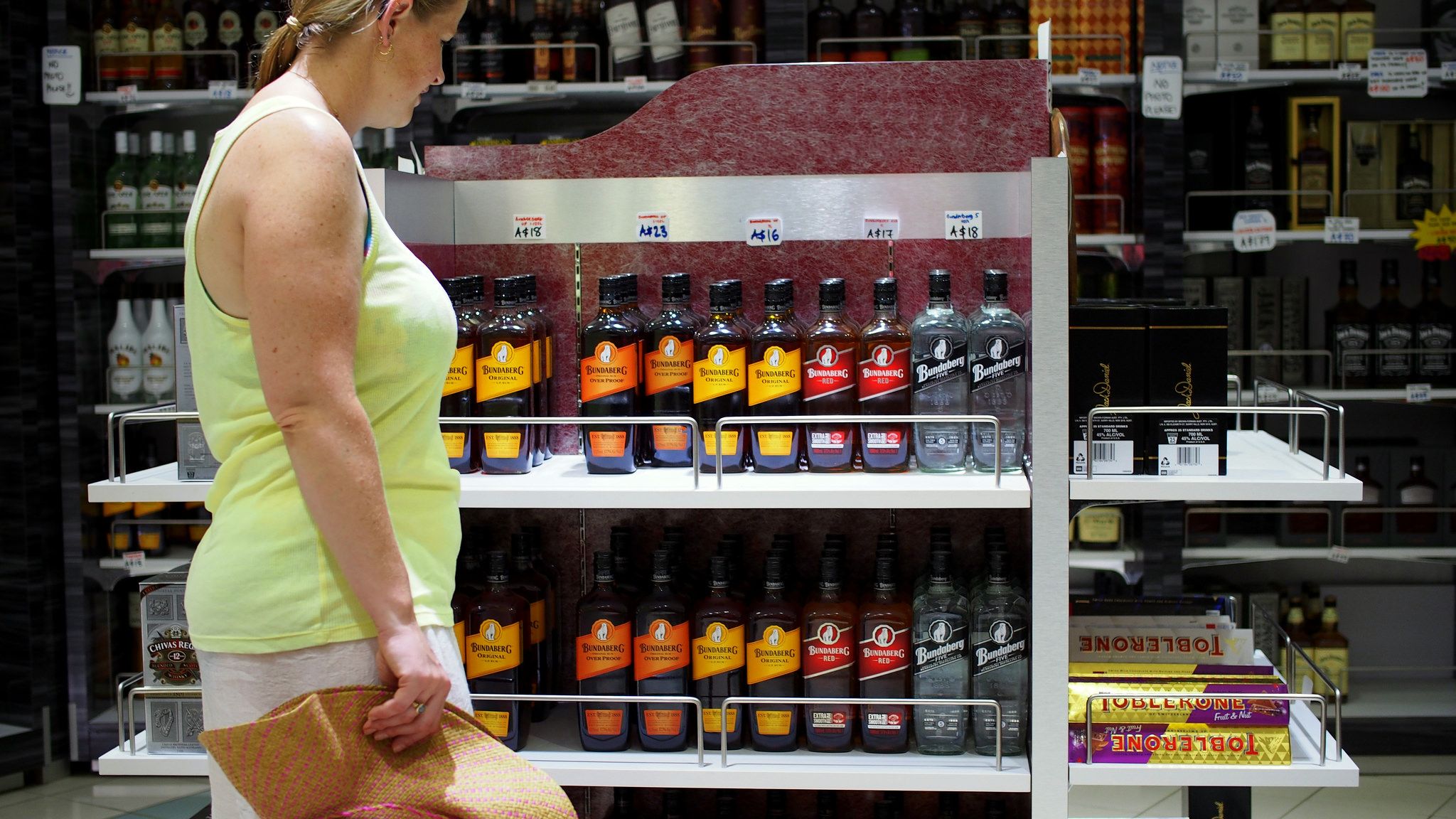
Planning to visit friends in the United States and thinking about bringing wine? Want to celebrate a special occasion with a bottle of champagne? You can do it. But there are a few rules to follow. You need to understand two separate limits: the number of bottles you can bring, and the duty-free allowance.
How many bottles of alcohol can you bring?
- Surprisingly, U.S. Customs does not set a specific limit on the number of alcohol bottles a traveler can import for personal use. “There is no federal limit on the quantity of alcohol a traveler may import into the United States for personal consumption,” according to U.S. Customs and Border Protection, the agency responsible for customs and border protection in the United States.
- The definition of personal use remains vague, and if you’re stopped for inspection, the limit is entirely up to the customs officer who may check you after you pass through U.S. immigration. To give you a sense of what’s acceptable, U.S. Customs does note that a case of bottles can be considered personal use.
What is the duty-free limit?
- While there’s no fixed number of bottles, there is a fixed duty-free allowance.
- U.S. Customs allows one liter of alcohol duty-free per adult over 21 years old. If you’re traveling as a couple, you can bring 2 liters (about 67 fl oz) total without paying any duties.
- What happens if you bring more? You must declare the extra bottles and pay U.S. customs duties and taxes. Duties range from $1 to $2 per liter for beer and wine, depending on alcohol content, and increase with higher alcohol levels. Federal taxes work the same way, varying by alcohol content. Expect a few cents for beer, a few dollars for wine or liquor. Overall, duties and taxes won’t add up to much if you declare your bottles upfront.