
When and how to exchange euros for dollars?
To pay for your shopping and meals in New York, you'll need to exchange euros for dollars. Here's what you need to know.
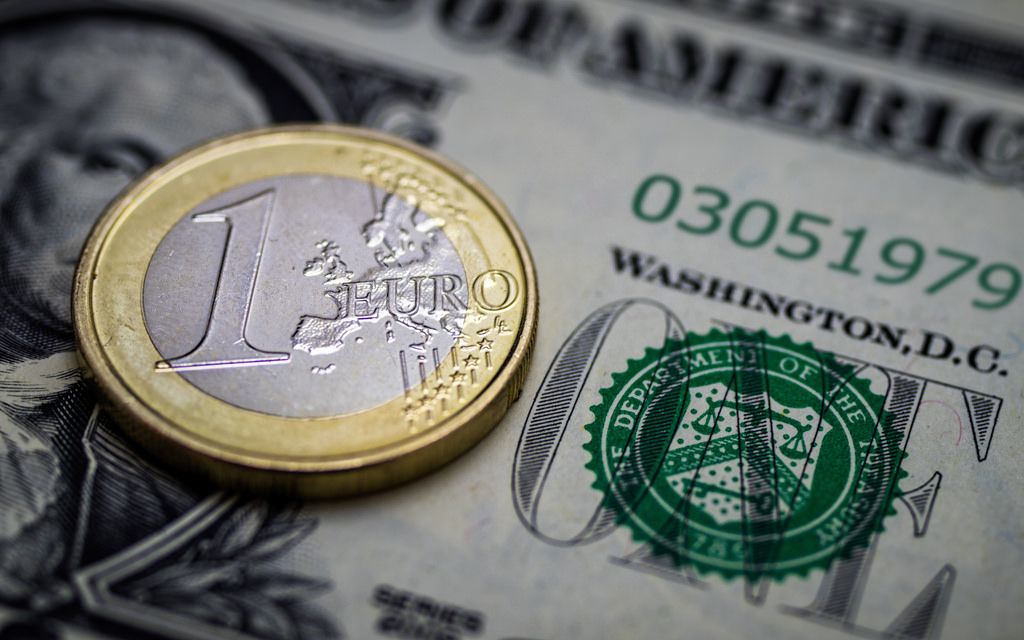
1/ When Should You Exchange Euros for Dollars?
- Key fact: exchange rates between euros and dollars are always less favorable to the euro in the United States. To get a better rate, exchange your money in Europe before you leave.
- Timing your exchange is trickier. There’s no way to predict the perfect moment—currency markets shift constantly based on geopolitical and economic events. Rates depend on monetary policy from the European Central Bank and decisions from its US counterpart, the Federal Reserve. Add in the movements of Wall Street, New York’s stock exchange, and you have a complex picture.
- One strategy used by forum members is to exchange half your money early and the other half just before departure. If the euro strengthens in the meantime, you gain a few extra dollars. Of course, the opposite can happen too.
- Remember: you’re not exchanging millions or billions. Exchange rate fluctuations have a limited impact on your total trip cost.
2/ Where Should You Exchange Euros for Dollars?
- You can exchange money at your regular bank or at a currency exchange specialist. Currency exchange offices are usually more competitive than banks, since exchanging money isn’t their primary business. You can also order dollars online and have them delivered by secure mail.
- When comparing rates between banks and exchange offices, look at both the exchange rate and the commission fee. Some offices advertise “no commission,” but no bank or exchange office can sell you dollars at cost. If there’s no commission, check the exchange rate closely—you’ll find it’s much less favorable. Currency exchange is never free.
- Avoid exchange offices at airports. They pay high fees to the airport operator, so they charge significantly higher rates than offices in the city.