
5 things to know about Halloween
Every October 31st, Americans celebrate Halloween. A holiday that has evolved greatly over the years. Here's what you need to know...

1/ What Does the Name Halloween Mean?
- Halloween comes from “All Hallows’ Eve,” which refers to the evening before All Saints’ Day. The celebration marks October 31, the day before the Feast of All Saints on November 1.
2/ When Did People Start Celebrating Halloween?
- Many assume Halloween is purely American, but its roots actually trace back to Europe. Halloween draws from the ancient Celtic festival of Samhain, which marked the change of seasons and the transition from the bright summer months to the dark winter. People lit bonfires, prepared treats to share, and wore costumes to ward off evil spirits.
- As Christianity spread, early Christians opposed this pagan ritual and disapproved of celebrations with no religious basis. Pope Gregory III established All Saints’ Day on November 1 in the 8th century.
- Yet the old Celtic tradition persisted and passed down through generations. Halloween eventually reached North America in the luggage of early English settlers.
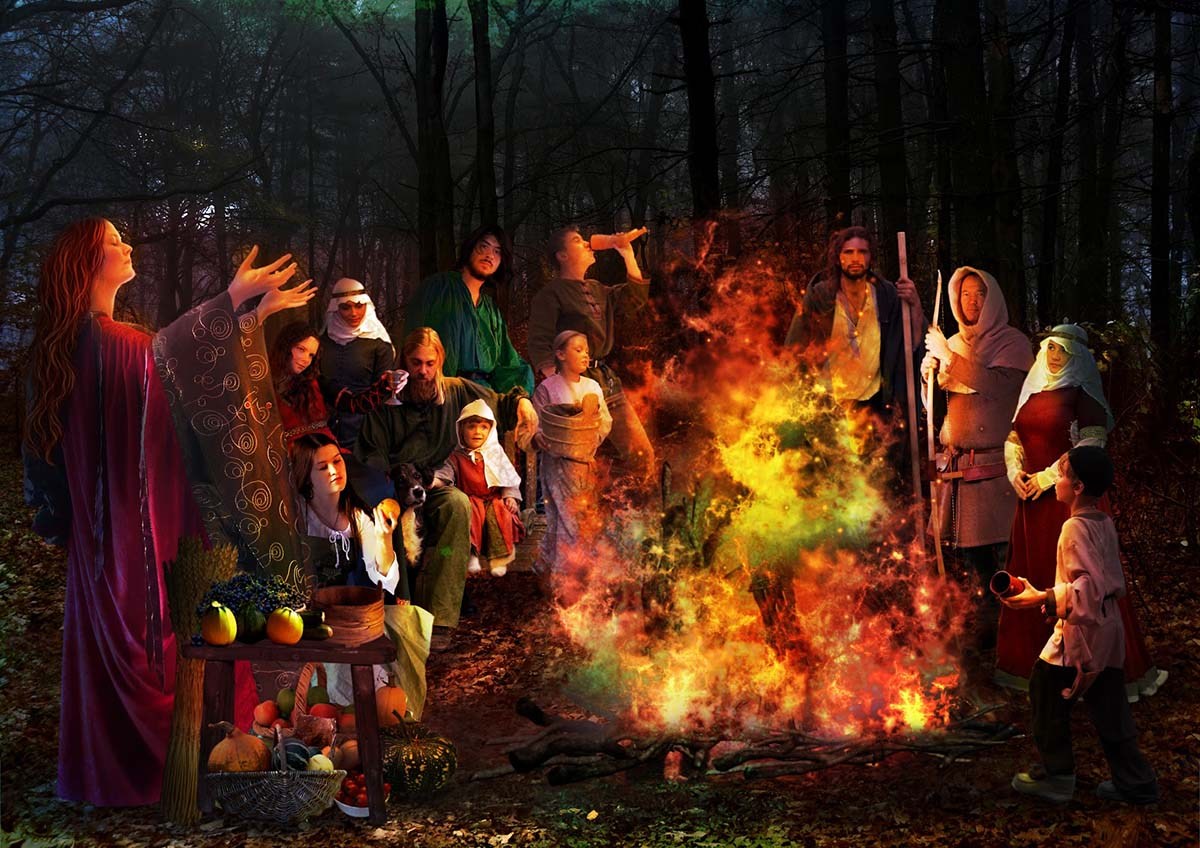
Painting depicting the Celtic festival of Samhain.
3/ Why Do People Carve Pumpkins for Halloween?
- The carved pumpkin is Halloween’s iconic symbol. The tradition involves hollowing out a pumpkin, giving it an eerie face, and placing a candle inside to bring it to life.
- Originally, the Celts carved turnips, not pumpkins. This tradition honors a character from an Irish folktale named Jack. After making a deal with the devil, Jack is condemned to wander forever, lighting his path through the darkness with a lantern carved from a turnip. Inside the turnip burns a coal given to him by the devil.
- British settlers brought the Jack-o’-lantern tradition to North America but switched to pumpkins, which were far more abundant in the season’s North American gardens.
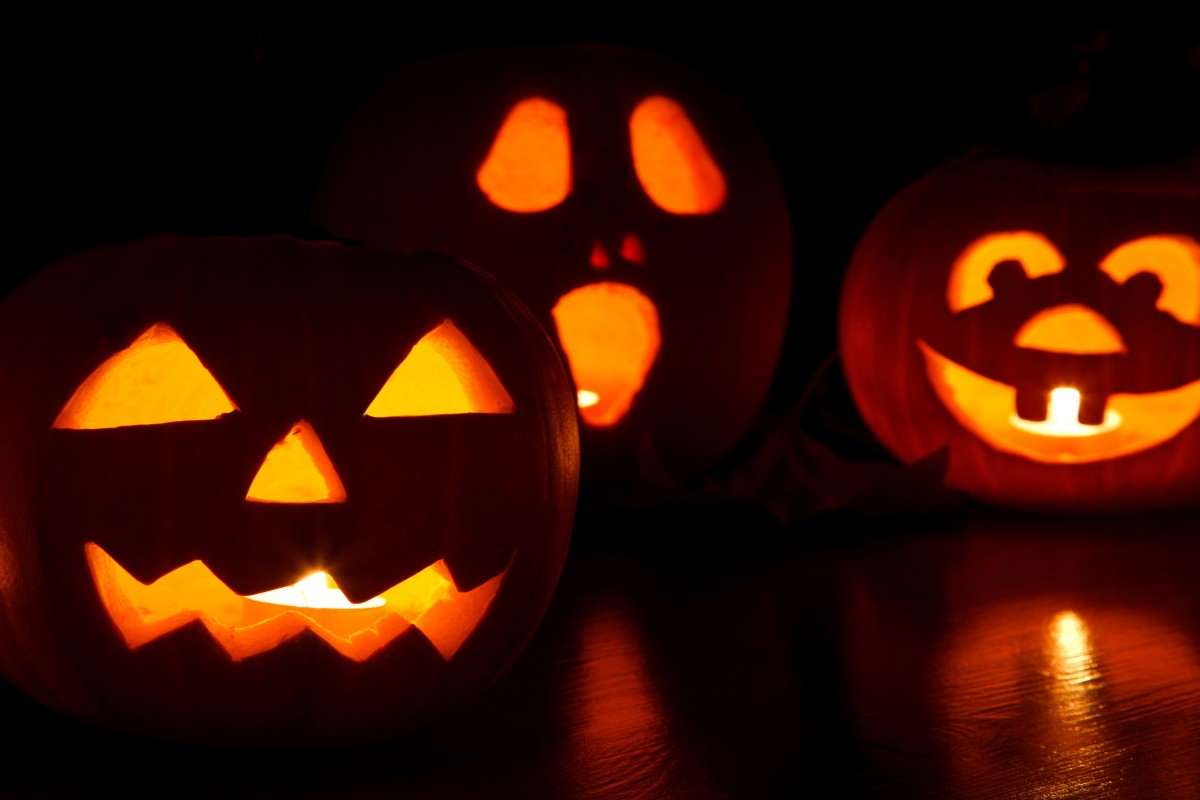
The famous Halloween pumpkins.
4/ Why Do People Enjoy Scaring Each Other?
- Halloween took a frightening turn in 1820 with the publication of The Legend of Sleepy Hollow by Washington Irving. The story follows a headless horseman who terrorizes the Sleepy Hollow region. The novel had enormous impact and began shaping how people celebrated Halloween.
- As cinema grew, Halloween inspired countless horror films, including the famous Halloween by John Carpenter, released in 1978. Hollywood productions reinforced the idea that Halloween wasn’t just about costumes—it was also about scaring one another. In New York, you can experience this tradition at the Greenwich Village Halloween Parade.
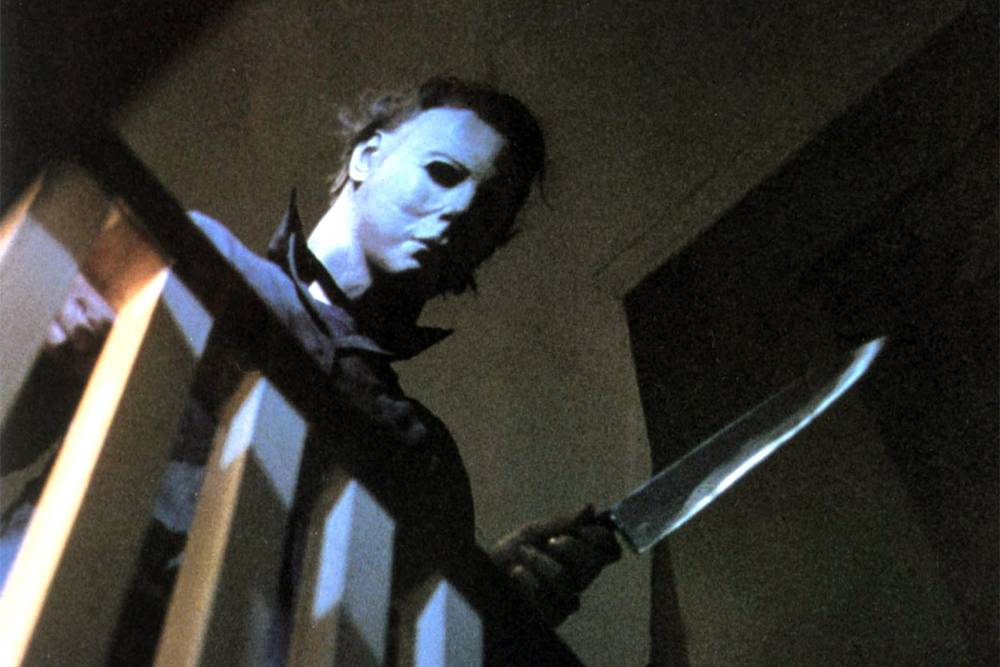
A scene from John Carpenter’s Halloween…
5/ Why Do Children Collect Candy?
- Beyond pumpkins, costumes, and scary decorations, another core part of Halloween is trick-or-treating. Children go door-to-door through their neighborhoods shouting “Trick or Treat!“
- This tradition is much more recent and wasn’t part of the original Celtic celebration. Trick-or-treating emerged in the United States during the 1920s and 1930s. The first recorded mention of “Trick or Treat” appeared on November 4, 1927, in the Canadian newspaper Alberta Canada Herald.
- Americans love trick-or-treating and welcome the costumed children to their doors. This differs sharply from Europe, where many people pretend not to be home, even turning off their lights when the doorbell rings. Be prepared! 🙂
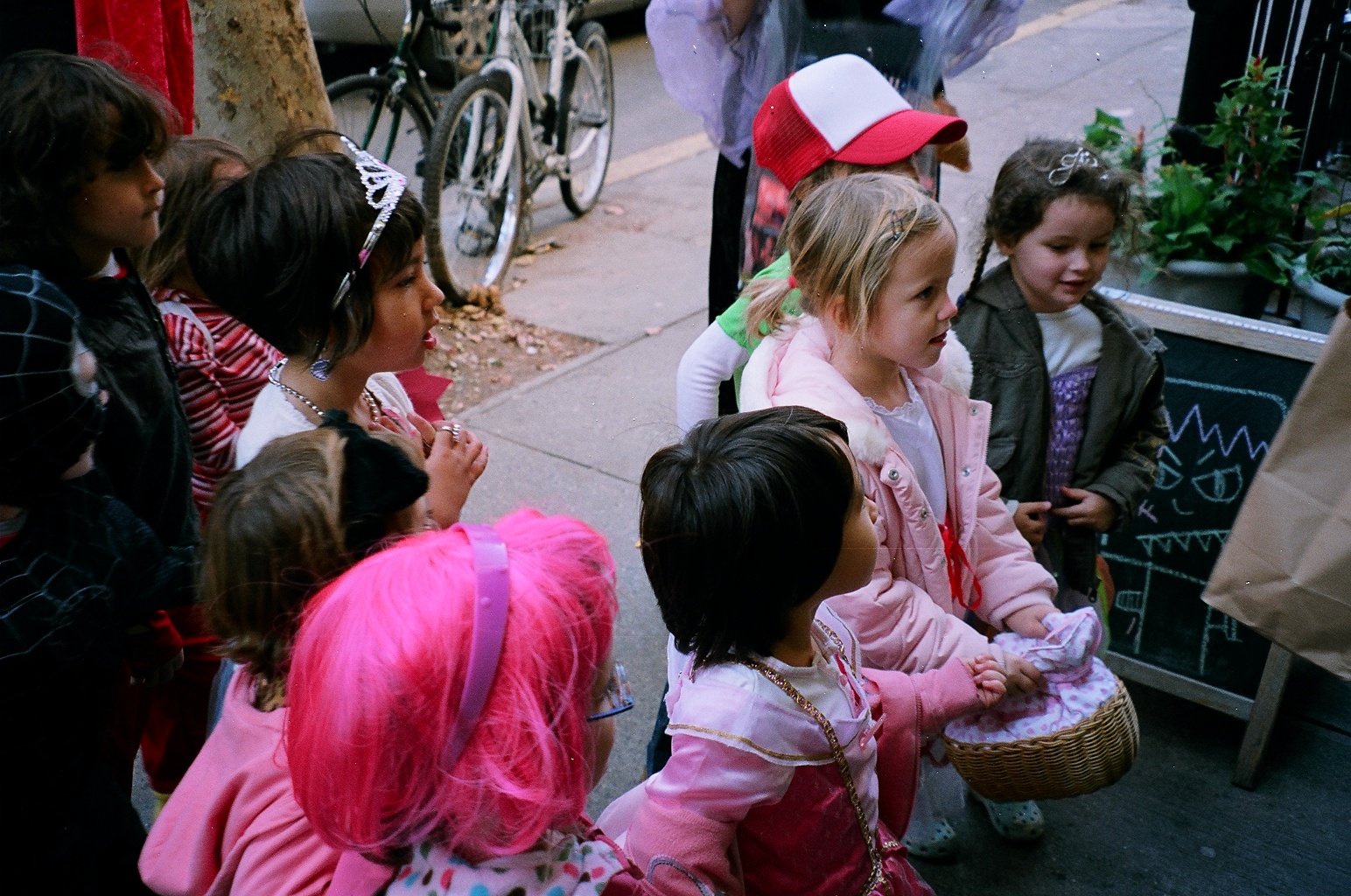
Trick-or-treating in New York! (Photo Janine)
Experience Halloween in New York
Want to dive into the Halloween spirit? Join a special guided tour and discover the supernatural side of the city. Find all the details about this unique Halloween tour in New York on our guided tour page.