
The 5 questions you may be asked at US immigration
When you arrive in New York, you'll need to pass through a US immigration officer. To prepare yourself, here are the main questions they may ask you.
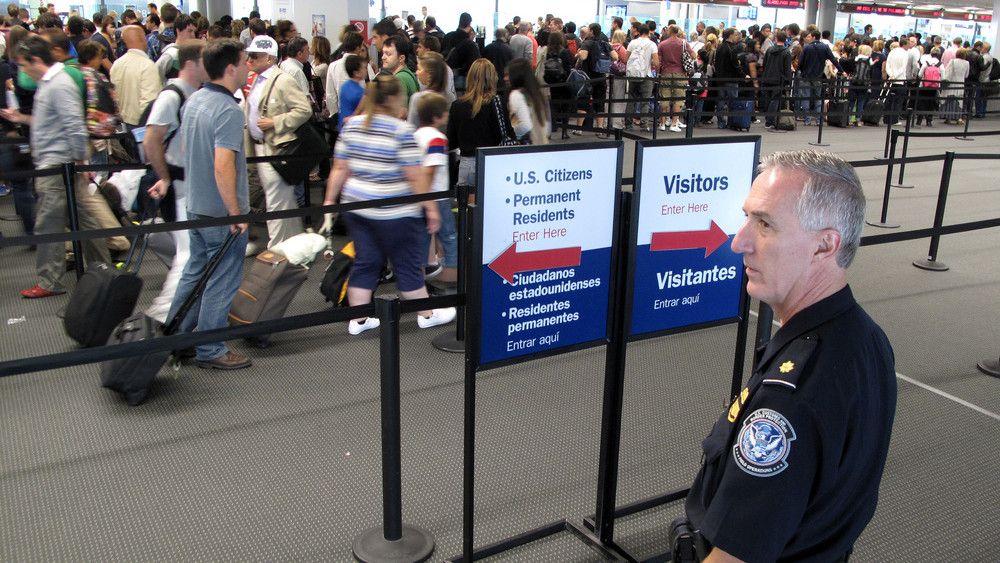
Your plane has just landed in New York, but before your trip truly begins, there’s one final step: passing through immigration. An immigration officer will decide whether you’re allowed to enter the United States.
Don’t worry though: in the vast majority of cases, it goes smoothly. If you’re coming for vacation, there’s nothing to fear. I recommend reading our guide to passing through US immigration.
In any case, you’ll need to answer questions. Here are the 5 most common ones, based on my experience and that of members of the New York Forum:
1/ How long will you stay in New York?
- This is one of the most common questions from US immigration officers. They want to make sure you’re not planning to move to the United States permanently, but that you’re a tourist or business traveler passing through.
- If there’s any doubt, the officer may ask to see your return flight ticket. But this is quite rare.
2/ What are you coming to New York for?
The purpose of your visit is the other main concern for immigration officers. Two scenarios:
- If you’re coming for vacation, simply answer “vacation”. Feel free to mention that you want to see New York landmarks or New York museums, like the MoMA or the Guggenheim. You’ll immediately be classified as a “tourist” and get your passport stamped.
- If you’re coming for work, answer “business”. Be careful not to make Laurke’s mistake on the New York Forum—she came for work but answered “for my job”. The officer thought she was looking for employment. The correct answer is “business” and nothing else. 😉 If you say “business”, the officer may also ask to see your business card.
3/ Do you know anyone in New York?
Watch out for this tricky question. There are several possible scenarios:
- If you’re coming for vacation and don’t know anyone, simply answer “no” and you’re done.
- If you’re coming for vacation but do know people there, it depends on your relationship with them. If they’re family members—parents, children, or cousins—no problem: just say you have family in New York and you’re visiting them for a few days or weeks. If they’re just friends, the simplest answer is “no”. This avoids further questions, since the officer might think you’re actually looking for work through your friends.
- If you’re in New York for work, you can say you’re coming to see clients and have business meetings. Make it clear that your company is based in Europe.
4/ What do you do for work?
- As you’ve probably guessed, the main concern of US immigration officers is making sure you’re not coming to the United States to work illegally. It’s very common to be asked what you do for work. Answer honestly, knowing that US immigration can easily verify your answers.
- If you’re unemployed, state your profession and emphasize that you’re in training or about to find a new employer in Europe. The key is making the officer understand that you don’t want to stay in the United States illegally. Remember: you have every right to visit the United States while unemployed. What’s forbidden is looking for work in the United States.
5/ Is this your first time in New York?
- This question helps determine how often you visit New York and, like the previous questions, whether you’re trying to move to the United States illegally. Again, I advise you not to lie, especially since your entries to the United States are recorded in your passport and, more importantly, in the US immigration database. The officer asks the question, but he likely already has the answer on his screen.
- This question really just tests whether you answer truthfully. Sometimes it’s simply the officer’s way of wishing you a good stay in New York. 😉
Tip
Now that you know the most common questions, here’s my trick: even if you speak English fluently, make as little effort as possible and keep a strong accent. It’s the best way to cut the questions short. Plus, the officer will immediately sense that you can’t work illegally in the United States. Since I started using this technique, I get through in seconds instead of endless chatting! 🙂
A big thank you to the members of the New York Forum who helped me write this article, especially Phanloga, Patricia, Jrmvir, Totoff21, Pesentik, Emilie01, Laurke, Loicnice, Gasolin, and Isabilou.