
Why are New York streets designated by numbers?
Unlike European cities, New York's main streets and avenues are not named but numbered. Here's why.
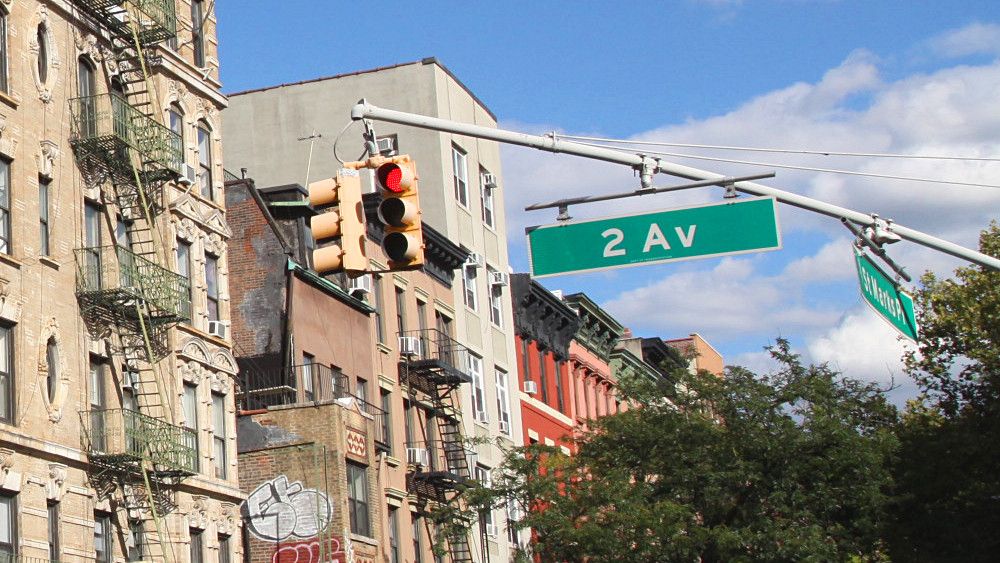
- One of the first things you’ll notice arriving in New York is that most streets and avenues aren’t named—they’re numbered. Downtown, south of Houston Street, you’ll find a European-style street layout with names. But everywhere else in Manhattan, streets are identified by numbers. You’ll walk down 5th Avenue, turn onto 42nd Street, then head up 7th Avenue.
- Why this system? The grid of numbered streets was adopted in 1811 to organize the rapidly growing city. A simple, functional plan was needed. Numbers had a clear advantage: as long as you could count, you wouldn’t get lost.
- New York didn’t invent this system. Historians credit Winchelsea, a town in Sussex, England, with introducing numbered streets in 1291. In the United States, Philadelphia adopted the system in 1682 and Washington in 1791—both before New York.
A system used beyond Manhattan
- Today, this numbering system proves incredibly practical. Navigation is straightforward: to reach an address at the corner of 53rd Street and 7th Avenue, where the Hope sculpture stands, simply count the blocks.
- There are exceptions—Broadway and Park Avenue, for instance—but the system relies primarily on numbers. You’ll also find numbered streets in Brooklyn, Queens, and the Bronx.
- Subway stations follow the same system, making navigation easy there too. You can explore with confidence: you won’t get lost in New York.