
Ellis Island: A historic island near New York
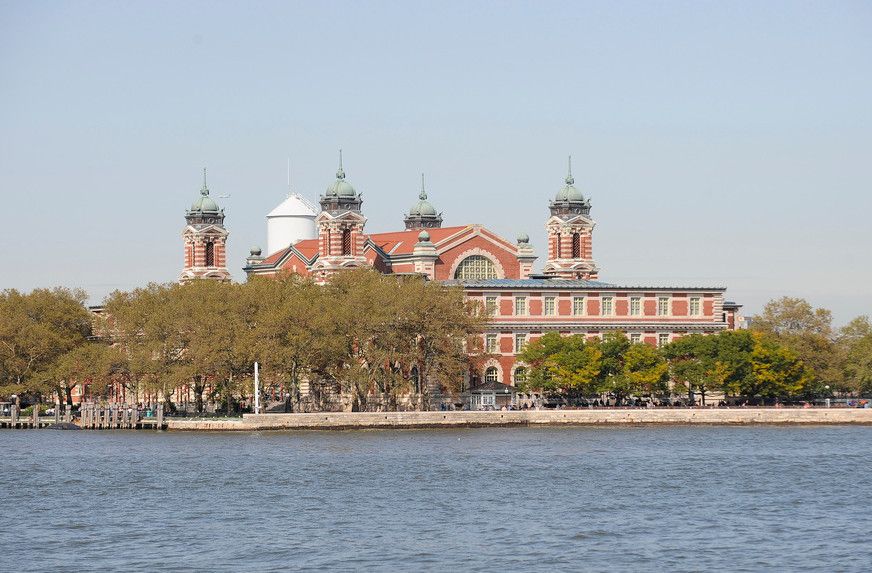
Just off the Statue of Liberty, Ellis Island immerses you in a different atmosphere. A must-see island in New York's history.
What You Need to Know About Ellis Island
- Ellis Island is a landmark in U.S. history, located in the middle of New York Harbor. This island, just a short distance from Manhattan and the Statue of Liberty, was designed as a special reception center for European immigrants. The island opened its doors in 1892.
- The island is named after Samuel Ellis, a Scottish immigrant who owned the land in the 1770s. New York City purchased the island in 1794 and built Fort Gibson there.
- More than 28 million people passed through the small island until the reception center closed in 1954. For most immigrants, Ellis Island marked the beginning of a new life. For others, it meant the end of the American dream: those who were sick could go no further. About 1% of arrivals were rejected and sent back to their home countries.
- At the time, the island was like a small city. Immigrants found currency exchange offices, ticket counters for train travel, restaurants, and even a barber shop.
- Historians estimate that more than 100 million Americans have a parent or ancestor who landed here. A moving list of names engraved in steel stands facing Manhattan.

What to See on Ellis Island
- To experience the island, imagine yourself as an immigrant arriving in an unfamiliar land. Walk through the entrance portico and admire the impressive hall. In one corner, pause for a moment in front of the trunks and suitcases brought by immigrants.
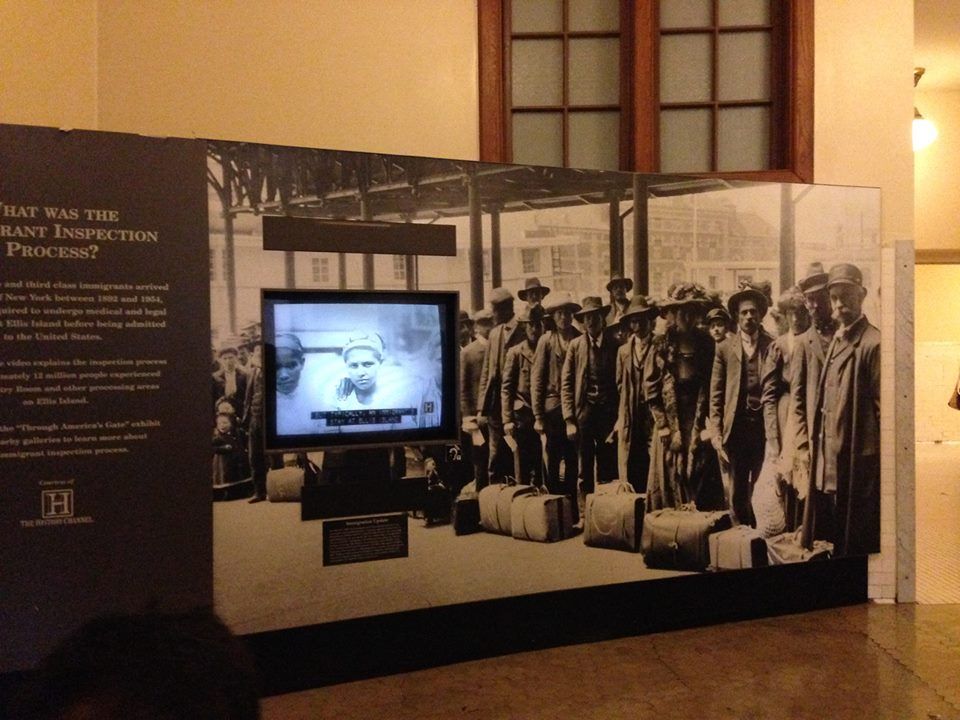
- New arrivals waited for hours to be called, sorted, examined, and registered. Medical exams determined who was fit to be admitted to U.S. soil and who was not. Most had little to begin with, and during registration, many lost something else: their names. Names too complicated for immigration officials to pronounce and spell. Names that had to be “Americanized.”
- As an interesting aside, writer Dan Fante tells the story of his grandfather, Nicolas, who arrived in New York in 1901. When officials tried to register him as Foy, Nicolas protested loudly, shouting the two English words he knew, cursing in Italian at everyone within earshot, and even throwing punches at the officials. It nearly cost him admission to the United States, but Fante remained Fante!
- The former immigrant reception center is now a museum. As you move through the rooms, you discover an incredible chapter of American history. In the Registry Room, you can find records from the era, showing the decisions of U.S. authorities regarding each immigrant’s fate. Upstairs, the walls of the former medical examination rooms are covered with enormous photographs.
- Beyond the historical exhibits, the island offers magnificent views of Manhattan’s Financial District, including the One World Trade Center tower. You’ll also have a front-row seat to the activity in New York Harbor.

How to Get to Ellis Island
- You must visit Ellis Island via the Statue of Liberty. It’s the same ferry, the same ticket, and the same price as visiting the Statue of Liberty. You can book your tickets on the Statue of Liberty ticket reservation page.
- If you’ve already visited the Statue of Liberty and want to see or revisit Ellis Island only, simply take the ferry and don’t get off at the Statue of Liberty stop. The ferry will then go directly to Manhattan.
Frequently Asked Questions
What was the purpose of Ellis Island?
From 1892 to 1954, Ellis Island served as a quarantine station for anyone wishing to immigrate to the United States. Immigrants landed on the island, and U.S. authorities decided whether to admit them to American soil. The authorities wanted to ensure that people seeking to settle in the United States were not carrying contagious diseases.
What is Ellis Island today?
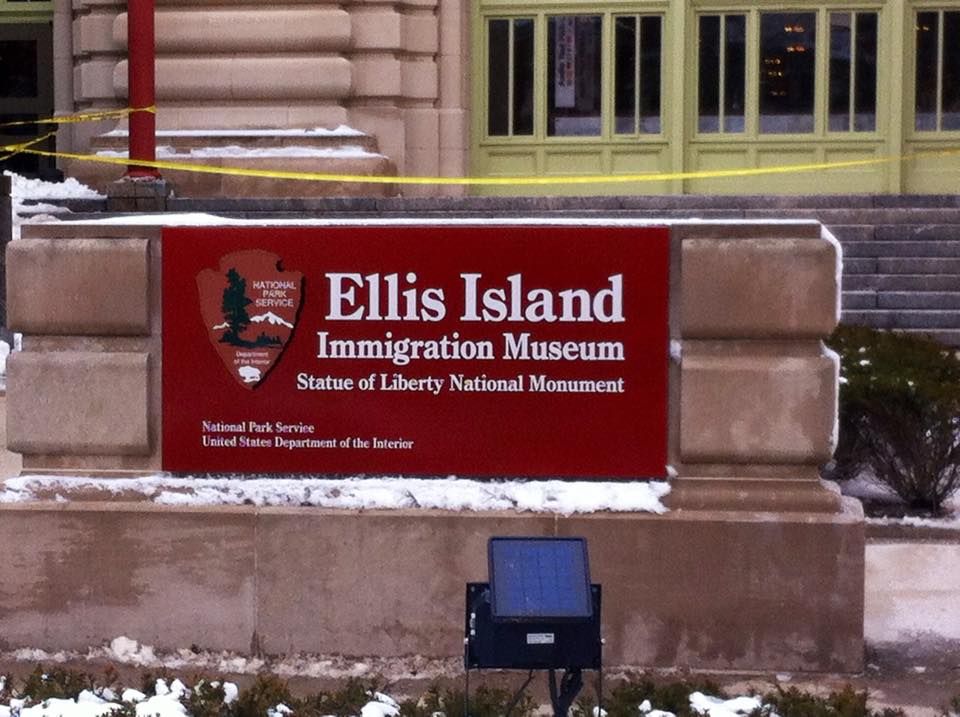
Ellis Island is no longer used as a quarantine station for immigrants. The site is now a historic monument managed by the National Park Service, the U.S. agency responsible for national parks. The island’s mission is to preserve memory and history, showing how immigrants lived and how the processing system worked. The main building houses an engaging exhibition that helps visitors understand the island’s past.
Visitor Reviews
- Pierre Adémian: “A deeply moving experience because part of my family arrived here. Very educational, with many photographs. Worth visiting again and again. It’s impossible not to think about the strength and determination these people showed in uprooting their lives.”
- Caroline Saleil Commaille: “I loved this visit. It’s essential for understanding New York’s history. I’ve been twice and will go again. It’s a place full of emotion where extraordinary and unimaginable things happened. Definitely use the audio guide.”
- Marc Boutez: “Very interesting and engaging. Presented with great care for education. And the audio guides are free.”
- Eric Coca: “When I sat on the benches in the main hall, I couldn’t help but think of the thousands of families arriving far from home, unable to speak the language, with nothing but hope for their family’s future.”
- Alain Vie: “My first impression arriving on the island was a sense of unease. That’s what I felt. I tried to put myself in an immigrant’s shoes. Were they arriving in the promised land?…”
- Brigitte Israël: “Very interesting and very moving!”
- Nicole Couturier: “A place full of history that made me uneasy thinking about everything that happened here and the disappointment of all those who were turned away, especially when you learn about the selection criteria.”
- Caro Vegas: “You hope to find family members who immigrated here. But not in my case.”
- Gil Hou: “A beautiful place full of nostalgia. A very enriching guided tour. End with the computers to search for your ancestors. It’s also nice to stop by the bar and have a drink outside.”
- Sandrine Monnomestpersonne: “Very impressive. Magnificent, especially the grand hall where you can see all the signatures of the arrivals! A beautiful museum to discover!”
Ellis Island in Photos






Map and Directions to Ellis Island
